Discover Premium Vintage and Rare Magic Tricks for Collectors

Discover Premium Vintage and Rare Magic Tricks for Collectors

Authentic vintage magic tricks and rare collectibles for serious collectors and performers.
Authentication Matters
Genuine vintage apparatus from Abbott's Magic, MAK Magic, and Owen Magic Supreme features period-correct materials, maker marks, and construction techniques that reproductions cannot replicate.Investment Value
Authenticated vintage magic from recognized manufacturers shows consistent appreciation, with mint condition pieces and documented provenance commanding premium prices at auction.Condition Is Critical
Missing components, replaced parts, and lack of original packaging significantly reduce collectible value. Always verify completeness before purchasing vintage apparatus.
Building a meaningful magic collection requires more than just purchasing old tricks—you need authentication expertise, market knowledge, and access to genuine vintage apparatus. At MagicTrickCollection.com, you'll find curated collectibles from Golden Age manufacturers, complete with provenance documentation and fair market pricing that reflects actual auction values.
Serious magic collectors know the thrill of finding authentic vintage apparatus, rare manuscripts, and discontinued tricks that defined magic history. At MagicTrickCollection.com, you’ll discover a curated selection of collectible magic props, vintage illusion equipment, and rare conjuring artifacts that span decades of magical innovation. Whether you’re seeking classic close-up magic from the Golden Age, vintage stage illusions, or limited-edition releases from legendary magic manufacturers, our collection bridges the gap between historical significance and performance value.
The market for antique magic memorabilia has evolved dramatically. Collectors today demand provenance, authenticity verification, and detailed historical context. Our inventory includes authenticated pieces from renowned makers like MAK Magic, Milson Worth, Owen Magic Supreme, and Abbott’s Magic, alongside rare imports from European magic houses like Supreme Magic in the UK. Each item undergoes rigorous authentication to ensure you’re investing in genuine collectibles, not reproductions.
What Sets Collectible Magic Tricks Apart
Collectible magic differs fundamentally from standard magic products. Vintage magic apparatus carries historical significance, craftsmanship quality, and scarcity that modern mass-produced items cannot replicate. Tricks from the early-to-mid 20th century often feature hand-tooled brass fittings, genuine hardwoods, and mechanical precision that reflected the manufacturing standards of their era.
Rarity drives value in magic collecting. Limited production runs, discontinued product lines, and items from defunct magic companies create natural scarcity. A vintage Okito Box from the early 20th century commands premium prices because the original manufacturer ceased production, and surviving examples show the patina and construction quality impossible to duplicate today.
According to Wikipedia, the Okito box was “invented by Tobias Bamberg, better known by the stage name Okito” around 1911, making original examples over a century old and highly sought after by collectors.
Authenticity Verification and Provenance Documentation
Authentication separates valuable collectibles from worthless reproductions. Professional collectors examine maker’s marks, construction techniques, materials, and historical documentation. Original Tarbell Course materials from the late 1920s and early 1930s, for example, display specific typography, paper quality, and binding methods that counterfeiters struggle to replicate accurately.
Provenance establishes ownership history and validates authenticity. Documentation might include original purchase receipts, catalog listings, performer estate records, or authentication certificates from recognized magic historians. Items with documented performance history—especially those used by famous magicians—carry significant premium value.
As noted by The Journal of Antiques and Collectibles, “Strong provenance increases buyer confidence and can substantially raise market value, particularly when connected to notable collectors.”
Key authentication factors include:
- Manufacturer paint schemes, stamps, logos, or serial numbers
- Period-appropriate materials and construction methods
- Wear patterns consistent with age and use
- Documentation linking the item to specific time periods or performers
- Expert verification from recognized magic historians
Categories of Highly Sought Vintage Magic Items
The vintage magic market segments into distinct collecting categories, each with dedicated enthusiast communities and valuation criteria.
Close-Up Magic Apparatus
Vintage close-up magic represents the most accessible entry point for new collectors. Antique coin tricks, vintage cups and balls sets, and classic card manipulation props from the mid-20th century remain highly collectible. Original Paul Fox cups, vintage Okito coin boxes (invented around 1911), and authenticated decks from magic’s Golden Age regularly appear in serious collections.
Quality close-up items from the early-to-mid 20th century often feature superior craftsmanship compared to modern equivalents. Hand-spun metal work, precision-fitted components, and exotic wood selections reflected the professional performer’s demands for reliability and aesthetic appeal.
Stage Illusion Components
Full-scale stage illusions require significant space and investment, but components and plans attract serious collectors. Original illusion plans from Abbott’s Magic, Owen, and other major builders provide historical insight into construction methods and performance secrets. Vintage illusion hardware—hinges, locks, mirrors, and mechanical components—demonstrates the engineering sophistication behind classic effects.
Collectors often acquire illusion components to study construction techniques or restore complete apparatus. A set of original Sawing in Half plans from the 1920s, complete with builder’s notes and modifications, offers invaluable historical documentation beyond its monetary value.
Magic Books and Manuscripts
Rare magic literature forms the intellectual foundation of serious collections. First editions of foundational texts—Erdnase’s Expert at the Card Table (1902), Hoffmann’s Modern Magic, or Tarbell’s original correspondence course (1928)—represent essential acquisitions. Limited print runs, signed copies, and books with provenance linking them to famous magicians command premium prices.
According to Wikipedia, first editions of The Expert at the Card Table are “highly sought after by collectors,” with the book remaining continuously in print since its 1902 publication.
Manuscript material holds particular significance. Handwritten notes, unpublished routines, and correspondence between magicians provide unique insights unavailable in published works. A handwritten routine from Dai Vernon or lecture notes from Ed Marlo cannot be replicated, making such items extremely valuable to collectors.
Investment Value and Market Trends in Magic Collectibles
Specialized vs General Retailers
The collectible magic market demonstrates consistent appreciation for authenticated, well-preserved items. Unlike speculative collectibles, vintage magic combines historical significance with functional utility—many collectors actively perform with their vintage apparatus, maintaining the living tradition these items represent.
Market demand concentrates on specific categories. Apparatus from the late 19th and early-to-mid 20th centuries shows strong appreciation, particularly items from renowned manufacturers. Close-up magic from this period attracts both collectors and working professionals seeking superior craftsmanship. Stage illusion components and plans appeal to a smaller but dedicated collector base willing to pay premium prices.
Authenticated vintage magic from recognized makers shows consistent appreciation in the collectibles market, with rare or historically significant pieces demonstrating substantial value growth over time.
Condition dramatically affects value. Mint or near-mint vintage items command multiples of similar pieces showing heavy wear. Original packaging, instruction sheets, and documentation can double an item’s value. Collectors prioritize preservation, often acquiring duplicate items—one for display and one for performance use.
Building a Focused Magic Collection Strategy
Successful collectors develop focused acquisition strategies rather than accumulating random vintage items. Specialization allows deeper expertise, better authentication skills, and more strategic purchasing decisions.
Choosing Your Collection Focus
Select a collecting focus based on personal interest, budget constraints, and available space. Themed collections might concentrate on:
- Specific time periods (Victorian magic, Golden Age, Post-War era)
- Particular manufacturers (Thayer, Abbott’s, U.F. Grant, MAK Magic, Owen Magic)
- Effect categories (coin magic, card manipulation, mentalism)
- Geographic origins (American magic, European apparatus, Asian imports)
- Famous magicians (items owned or used by specific performers)
Focused collections develop coherent narratives and demonstrate expertise. A comprehensive collection of Abbott’s Magic catalog items from a specific era tells a specific story about American magic manufacturing during that period.
Budget Allocation and Value Hunting
Smart collectors balance premium acquisitions with strategic bargain hunting. While museum-quality pieces require substantial investment, many collectible items remain affordable. Estate sales, magic convention dealer rooms, and specialized auctions provide opportunities to acquire quality vintage items below retail prices.
Budget strategy considerations:
- Allocate larger budgets for cornerstone pieces with exceptional provenance
- Pursue mid-range items from recognized manufacturers for collection depth
- Investigate lesser-known makers whose quality rivals famous brands
- Monitor auction results to understand current market valuations
- Build relationships with reputable dealers who provide first access to new acquisitions
Preservation and Display of Vintage Magic Items
Storage Environment Critical
Maintain 65-70°F with 40-50% humidity. Avoid basements, attics, and direct sunlight exposure
Proper preservation protects your investment and maintains historical integrity. Vintage magic apparatus faces specific conservation challenges—mechanical components require maintenance, paper materials need environmental control, and metal parts demand corrosion prevention.
Storage Environment Controls
Environmental factors accelerate deterioration. Temperature fluctuations, humidity extremes, and light exposure damage vintage materials. Ideal storage maintains 65-70°F temperatures with 40-50% relative humidity. Avoid basements (excess moisture), attics (temperature extremes), and direct sunlight exposure.
According to the National Park Service Museum Handbook, proper museum collection storage requires “environmental controls appropriate to the predominant materials in a collection to reduce the rate of deterioration.”
Paper materials—books, manuscripts, instructions—require acid-free storage. Archival-quality boxes, sleeves, and folders prevent acidic deterioration. Never use standard office supplies or household storage containers that accelerate paper aging.
Mechanical Maintenance
Vintage apparatus with moving parts needs periodic maintenance. Hinges, springs, and mechanical components benefit from appropriate lubrication—but wrong lubricants damage period materials. Research era-appropriate maintenance methods or consult conservation specialists before applying modern products to vintage mechanisms.
Clean vintage items carefully. Aggressive cleaning removes patina that authenticates age and can damage original finishes. Gentle dusting with soft brushes suffices for most items. Never use commercial cleaners, polishes, or solvents without expert guidance.
Authentication Resources and Expert Consultation
Authentication expertise develops through study, experience, and consultation with recognized authorities. New collectors benefit from educational resources and expert verification services.
Magic collecting organizations provide educational resources. The Magic Collectors’ Association (founded 1949) and regional organizations like the New England Magic Collectors Association (NEMCA, founded 1980) offer publications, conventions, and networking opportunities with experienced collectors. Regional magic clubs often include collector members willing to share expertise with newcomers.
According to Magicpedia, “The Magic Collectors’ Association was founded in 1949 in New York City by several prominent collectors of that era.”
Authentication resources include:
- Reference books documenting manufacturers, time periods, and construction methods
- Online collector forums where experts discuss authentication questions
- Professional appraisers specializing in magic memorabilia
- Auction houses, like Potter & Potter or Haversat & Ewing providing comparison examples or verification
Develop relationships with reputable dealers who stake their reputation on accurate descriptions. Established dealers provide authentication documentation, detailed provenance information, and stand behind their attributions with return privileges.
Exclusive Product Offerings at MagicTrickCollection.com
Collectible Magic Defined
Vintage apparatus carries historical significance, superior craftsmanship, and natural scarcity that modern mass-produced items cannot replicate.
Based on early-to-mid 20th century manufacturingBuilding Your Collection
Choose Focus
Select era, maker, or effect category
Set Budget
Allocate funds across quality tiers
Research Market
Monitor auctions and dealer prices
Build Network
Connect with dealers and collectors
Authentication Checklist
5 key factors- 1 Manufacturer stamps and serial numbers
- 2 Period-appropriate materials and construction
- 3 Age-consistent wear patterns
- 4 Historical documentation and provenance
- 5 Expert verification from historians
Our curated inventory balances historical collectibles with performance-ready vintage apparatus. Unlike generalist antique dealers, we specialize exclusively in magic, bringing expertise that ensures accurate descriptions, fair pricing, and authentic items.
Vintage Close-Up Magic Selection
Our vintage coin magic inventory includes authenticated pieces from major manufacturers and rare imports. Classic coin gaffs from the early-to-mid 20th century represent the pinnacle of close-up apparatus craftsmanship. Each item includes detailed condition reports and provenance documentation when available.
Card magic collectors find rare decks, vintage card manipulation props, and classic card boxes from magic’s Golden Age. We source authenticated decks with original seals, vintage card clips and holders, and specialized card apparatus from renowned makers.
Rare Stage Magic Components
Space constraints prevent most collectors from acquiring full stage illusions, but components and plans provide access to this fascinating category. Our inventory includes original illusion blueprints, vintage hardware, and specialized components from classic effects like the Zig Zag Illusion. These items appeal to collectors studying illusion design and builders restoring vintage apparatus.
Mechanical magic apparatus—automata, self-working tricks, and clockwork effects—represents a specialized collecting niche. We acquire rare mechanical items demonstrating the intersection of magic and precision engineering.
Collectible Magic Literature
Our book inventory emphasizes first editions, limited printings, and signed copies of foundational magic texts. Condition ranges from reading copies (affordable access to rare content) to pristine first editions (investment-grade collectibles). Each listing specifies edition, printing, condition details, and notable features.
Manuscript material appears periodically—handwritten routines, lecture notes, and correspondence from notable magicians. These unique items receive special authentication and documentation before offering.
New Trending Magic Items with Collectible Potential
While vintage items form our core focus, we also identify contemporary releases with long-term collectible potential. Limited edition releases from respected modern makers, signed items from current magic stars, and innovative effects that advance the art represent tomorrow’s vintage collectibles.
Contemporary items gain collectible status through scarcity, innovation, or association with influential performers. We monitor the modern magic market to identify items likely to appreciate, offering collectors opportunities to acquire future collectibles at current prices.
Competitive Advantages Over Other Magic Collectible Retailers
The magic collectible market includes various retailers, each with different strengths and specializations. Understanding these differences helps collectors identify the best sources for specific acquisition goals.
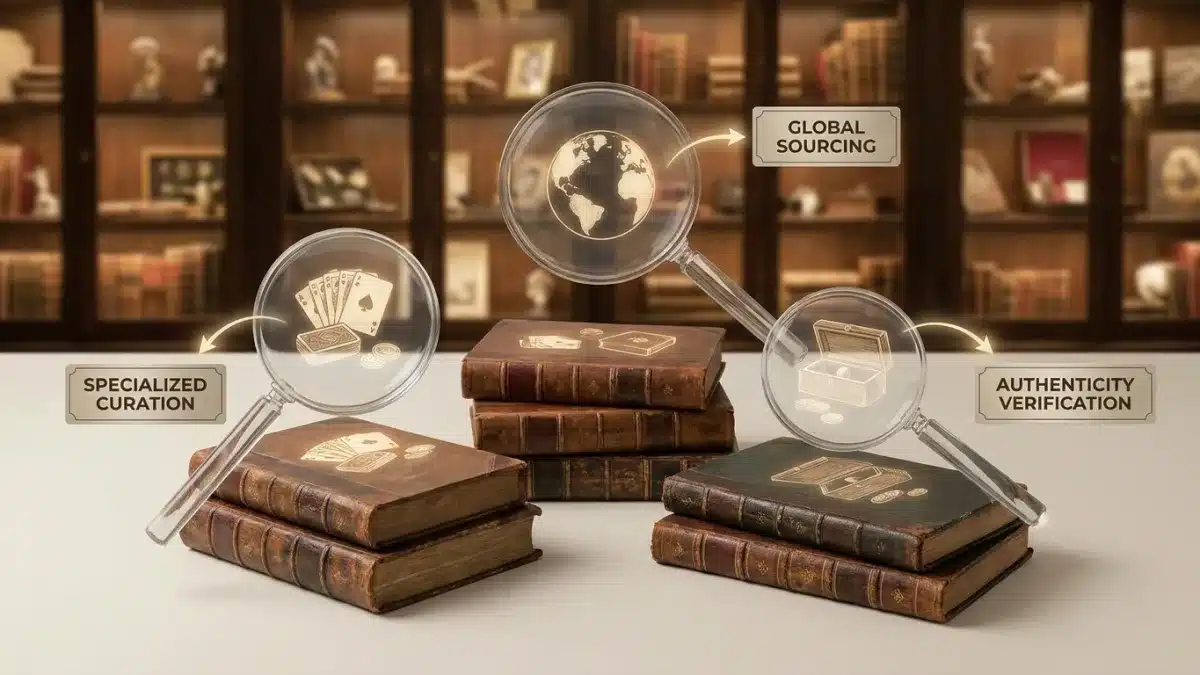
Specialized Curation vs. General Inventory
Unlike retailers offering thousands of current magic products alongside occasional vintage items, we curate specifically for collectors. Every item undergoes evaluation for collectability, authenticity, and historical significance. Each new magic effect is evaluated and hand-selected before being listed in our shop. This focused approach means our inventory turns slower but maintains higher quality standards.
General magic retailers prioritize current products that working magicians purchase regularly. Vintage items appear inconsistently, often without proper authentication or historical context. Collectors seeking specific vintage items waste time monitoring general retailers hoping for random appearances.
Authentication Standards and Expertise
Authentication separates reputable collectible dealers from general sellers. We maintain relationships with magic historians, reference extensive manufacturer documentation, and consult expert collectors when questions arise. Each vintage listing includes authentication basis, full array of pictures from various angles to se the overall preservation, any manufacturer marks if present, construction analysis, provenance documentation, or verification.
Some competitors list vintage items based solely on seller claims without independent verification. This approach passes authentication responsibility to buyers, who may lack expertise to identify reproductions or misattributed items.
Pricing Transparency and Market Knowledge
We research comparable sales, monitor auction results, and track market trends to establish fair pricing. Collectors deserve transparent pricing based on documented market values, not arbitrary markups or uninformed pricing.
Our pricing reflects current market values, with detailed justification for premium items based on rarity, condition, and provenance factors.
Competitors sometimes price items based on guesswork or inflated hopes rather than market research. This creates frustration for knowledgeable collectors who recognize overpricing, while potentially deceiving newer collectors unfamiliar with appropriate valuations.
Comprehensive Item Documentation
Each listing provides detailed information collectors need for informed decisions:
| Documentation Element | What We Provide | Why It Matters |
| Condition Assessment | Detailed description of wear, damage, repairs | Condition dramatically affects value |
| Measurements | Precise dimensions and weight | Essential for display planning and authentication |
| Provenance | Ownership history when available | Establishes authenticity and adds historical value |
| Manufacturer Details | Maker identification, production period, catalog references | Enables research and validates attribution |
| Completeness | Original components vs. replacements or missing parts | Affects both value and functionality |
| Photography | Multiple high-resolution images showing all aspects of the item | Allows remote condition assessment |
Inadequate documentation forces collectors to request additional information, delaying decisions and creating uncertainty. Comprehensive upfront documentation streamlines the acquisition process.
Strategic Integration for Maximum Discoverability
Collectors searching for specific vintage magic items use varied terminology reflecting different aspects of the hobby. Understanding these search patterns ensures our inventory reaches intended audiences.

Collector-Focused Search Terms
Serious collectors search using specific terminology that distinguishes their needs from casual magic purchasers. Vintage magic apparatus, antique magic props, collectible magic tricks, and rare magic memorabilia signal collector intent rather than performer product searches.
Geographic and temporal qualifiers refine searches: Victorian magic tricks, Golden Age magic apparatus, early 20th century magic props, American magic collectibles, or European magic antiques indicate specific collecting focuses. Our descriptions incorporate these qualifiers when applicable.
Effect-Specific Collecting Terms
Many collectors specialize in particular effect categories. Vintage coin magic, antique cups and balls, classic card manipulation props, mental magic apparatus, and stage illusion components describe effect-based collecting focuses. Our categorization system accommodates both manufacturer-based and effect-based searching.
Specific effect names attract targeted searches: vintage Okito box, antique linking rings, classic egg bag, original Svengali deck, or vintage thumb tip identify collectors seeking particular effects in vintage form.
Frequently Overlooked Vintage Magic Categories
Certain collectible categories receive less attention than classic apparatus but offer excellent acquisition opportunities for knowledgeable collectors.
Magic Advertising and Ephemera
Vintage magic catalogs, advertising posters, dealer flyers, and promotional materials document magic history while remaining relatively affordable. Original dealer catalogs from Thayer, Abbott’s, or Tannen’s provide historical snapshots of available products, pricing, and marketing approaches.
Performance posters from traveling magicians, theater bills advertising magic shows, and promotional photographs represent another ephemera category. These items appeal to collectors interested in magic’s performance history and public presentation.
Instructional Materials and Lecture Notes
Beyond published books, instructional materials include mimeographed lecture notes, privately published manuscripts, and convention handouts. These limited-distribution items often contain valuable information unavailable in commercial publications.
Lecture notes from influential magicians—particularly unpublished material—provide unique insights into their thinking and methodology. A set of lecture notes from a magic legend offers content unavailable elsewhere.
Magic Periodicals and Magazines
Complete runs of vintage magic magazines—The Sphinx, Genii, The Linking Ring, Abracadabra—document magic’s evolution through advertisements, articles, and reader contributions. Individual issues remain affordable, while complete year sets or full runs command premium prices.
Early issues of now-defunct magazines provide historical perspective on magic during specific eras. The advertisements alone document available products, pricing, and dealer networks.
Specialty Tools and Workshop Equipment
Professional magicians maintained workshops with specialized tools for building and repairing apparatus. Vintage magic manufacturing tools, specialized jigs, and workshop equipment represent a niche collecting category with limited competition.
These items appeal to collectors interested in magic’s manufacturing history and those who build or restore vintage apparatus using period-appropriate methods.
International and Regional Magic Items
American collectors often overlook European, Asian, and regional magic items that offer excellent value and historical interest. British magic from Davenports or vintage items from European manufacturers, German precision-manufactured tricks, or Japanese magic imports provide international perspective on magic’s development.
Regional American manufacturers—smaller companies serving local markets—produced quality items that remain undervalued compared to major national brands. These manufacturers often matched or exceeded the quality of famous makers while producing smaller quantities, creating natural scarcity.
Building Relationships Within the Magic Collecting Community
Ethical Collector Principles
5 core principles- 1 Accurately describe condition when selling
- 2 Respect intellectual property of methods
- 3 Support authentication over defending fakes
- 4 Share knowledge with newer collectors
- 5 Preserve originals without modifications
Successful collecting extends beyond acquisitions to include community participation, knowledge sharing, and relationship building with fellow enthusiasts.
Magic Collector Organizations and Clubs
Formal collector organizations provide educational resources, networking opportunities, and authentication assistance. The Magic Collectors’ Association (founded 1949) and regional organizations like the New England Magic Collectors Association (NEMCA, founded 1980) offer publications, conventions, and networking opportunities with experienced collectors.
According to NEMCA’s website, the organization’s purpose is “the education and promotion of interest in the collecting of books, memorabilia, history, and apparatus relating to magic.”
Local magic clubs often include collector members willing to mentor newcomers. These relationships provide access to knowledge, authentication assistance, and potential acquisition opportunities when members sell or trade items.
Convention Dealer Rooms and Private Sales
Magic conventions host dealer rooms where vendors offer collectibles alongside current products. These events provide opportunities to examine items personally before purchasing, ask detailed questions, and negotiate pricing. Dealers often bring items not listed online, reserving premium pieces for serious collectors they meet in person.
Private sales between collectors occur frequently at conventions. Networking with fellow collectors can lead to acquisition opportunities before items reach public markets. Sellers often prefer dealing with knowledgeable collectors who appreciate their items’ significance.
Online Collector Forums and Communities
Digital communities supplement in-person networking. Specialized forums allow collectors to discuss authentication questions, share research findings, and alert others to available items. Experienced collectors often provide free authentication assistance to community members.
These communities develop collective knowledge bases documenting manufacturers, production periods, and authentication markers. Participating in these discussions accelerates learning and builds recognition within the community.
Ethical Collecting Practices
Reputable collectors maintain ethical standards that preserve community trust and protect the hobby’s integrity. These practices include accurate representation when selling, respecting other collectors’ research, and supporting authentication standards.
Ethical collecting principles:
- Accurately describe items when selling, disclosing all known condition issues
- Respect intellectual property when sharing information about secret methods
- Support authentication efforts rather than defending questionable items
- Share knowledge with newer collectors to strengthen the community
- Purchase from reputable sources rather than enabling fraudulent sellers
- Preserve historical items rather than modifying or “improving” vintage apparatus
Frequently Asked Questions
Authenticity and historical provenance drive premium pricing in collectible magic. Original vintage pieces feature period-correct construction materials, maker marks, and manufacturing techniques that cannot be replicated in modern reproductions. Collectors prioritize items with complete original packaging and documentation, as these elements preserve the artifact’s historical context and significantly impact auction prices.
Authentication requires examining multiple physical identifiers and documentation. Key verification points include:
- Maker marks, stamps, and period-appropriate hardware
- Original instruction sheets versus reprints
- Construction materials and manufacturing techniques
- Packaging typography and paper stock characteristics
Completeness and functional integrity outweigh cosmetic wear in value assessment. Missing gimmicks, broken mechanisms, replaced instructions, and incorrect packaging create the largest price reductions. While surface scuffs matter aesthetically, structural damage and component completeness have greater impact on both collector demand and performer usability.
Sealed packaging typically commands higher collector premiums. Unopened items preserve both contents and packaging integrity, reducing uncertainty about component completeness. However, verification of authenticity remains essential even for sealed items, as packaging can be resealed or contain incorrect components. Opened sets may appeal more to working performers seeking functional apparatus.
Controlled environment storage protects long-term value and condition. Store items away from direct sunlight, humidity, and temperature fluctuations. Original packaging should be preserved whenever possible, as it contributes significantly to historical completeness. For delicate mechanisms, periodic inspection helps identify deterioration before it becomes irreversible damage.
Completed auction sales provide the most reliable pricing data. Compare results from established auction houses for identical makers and trick variants, then adjust for condition differences. Active listings reflect seller expectations rather than actual market values, making them unreliable pricing benchmarks for serious collectors and investors.
Recognized makers command significant bidding premiums at auction. Highly collectible manufacturers include Thayer Magic, Abbott’s Magic, MAK Magic, U.F. Grant, Owen Magic Supreme, and Milson Worth. Maker reputation, production era, and documented performer associations create value differentials that often exceed those based on age or condition alone.